
Why Free Time Is Crucial for Developing Creativity?
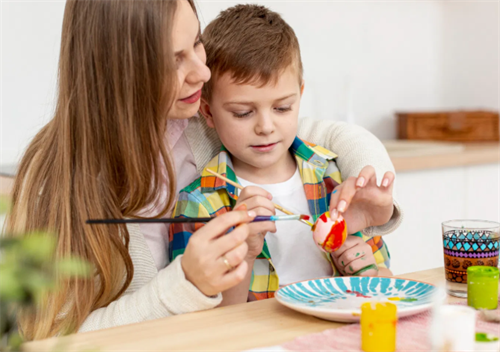
In a world that seems busier than ever, children’s days are often packed from morning to night—school, sports, homework, music lessons, language classes, and maybe a few minutes of screen time squeezed in before bed. As parents, it’s easy to believe that a full schedule equals a fulfilled child. After all, we want to give them every opportunity to succeed.
But what if the very thing we think is helping them—constant stimulation and structure—is actually stifling one of their most essential skills: creativity?
Free time, often seen as “doing nothing,” is far from wasted time. In fact, it’s the fertile ground where imagination, problem-solving, and emotional growth take root. Letting children be bored, explore freely, and invent their own fun is not neglect—it’s nurturing in disguise.
The Myth of Constant Productivity:
Modern parenting often feels like a race against time. From an early age, children are encouraged to be “ahead”—reading early, mastering skills, winning awards. The logic seems simple: the more they do, the more they’ll achieve.
Yet creativity doesn’t thrive under pressure; it flourishes in open space.
When every hour is scheduled, children learn to follow instructions and meet expectations, but they rarely get to wonder what if? or why not? Creativity requires time to drift, to daydream, to try and fail and try again.
Neuroscience backs this up. Studies show that during periods of rest, the brain’s default mode network—the system responsible for imagination, reflection, and problem-solving—becomes highly active. In other words, when kids “do nothing,” their brains are busy connecting ideas in new ways.
So while structured activities teach skills, unstructured time teaches thinking.
Free Time Is the Playground of Imagination:
Think about your own childhood. Chances are, your most vivid memories don’t come from formal lessons but from moments of play—building forts, making up stories, exploring outside, pretending to be someone else.
That’s because unstructured play is where creativity comes alive. When children are left to their own devices (without screens or adult direction), they naturally invent. A stick becomes a sword, a cardboard box turns into a spaceship, a backyard transforms into a jungle.
This kind of play develops divergent thinking—the ability to generate multiple ideas and possibilities instead of just one “right answer.” It also builds resilience: when a tower collapses or a plan fails, kids adapt, problem-solve, and try again.
Free play isn’t just fun—it’s the foundation of creative thinking that will serve them in every part of life.
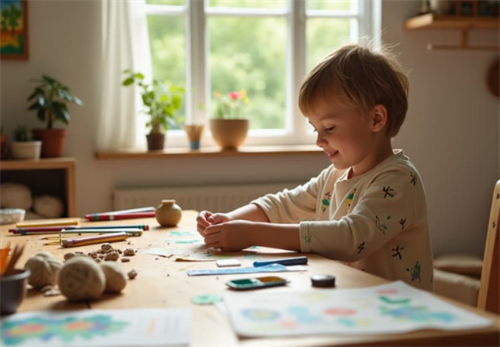
The Emotional Benefits of Doing Nothing:
Free time doesn’t only nurture creativity—it also supports emotional health. Children today face more stress than ever, from academic pressure to social comparison. Having space to unwind helps them process emotions and recharge.
When kids have unstructured time, they can:
Reflect on their day and feelings.
Regulate emotions by engaging in soothing, self-chosen activities.
Develop autonomy, learning that they can guide their own experiences.
In contrast, children with little downtime may become dependent on external validation—needing someone to tell them what to do or how to feel. Free time helps them build an inner compass.
It also teaches patience. Boredom, often seen as an enemy, is actually a spark. When children face a few minutes of “nothing to do,” their minds begin to explore—and that’s when imagination steps in.
The Role of Parents: From Director to Observer
For many parents, the idea of free time can feel uncomfortable. We worry that unsupervised time means wasted potential or even misbehavior. But our role doesn’t have to be that of a constant entertainer or instructor.
Instead, we can become observers and facilitators—providing materials, space, and encouragement, but letting the child take the lead.
Here’s what that might look like:
Instead of saying, “Let’s build a castle,” try, “What would you like to make with these blocks?”
Instead of organizing every minute, say, “You have the afternoon free—what sounds fun to you?”
Instead of rushing to solve boredom, ask, “What could you do right now that might be interesting?”
This gentle shift gives children ownership over their creativity. It teaches them that inspiration doesn’t come from outside—it grows from within.
Creativity in Different Ages: How Free Time Evolves
Free time looks different at each stage of childhood, but its value remains constant.
-Early Childhood (Ages 3–6): Imaginative Play
Young children learn about the world through make-believe. Dressing up, building, pretending, and storytelling help them experiment with roles and emotions. Parents can support this by offering open-ended toys—blocks, crayons, fabric, cardboard boxes—and plenty of uninterrupted time.
-Middle Childhood (Ages 7–11): Exploration and Curiosity
At this stage, kids are eager to explore real-world skills. They might build things, invent games, or experiment in the kitchen. Spark curiosity by asking questions like, “I wonder what might happen if we mixed these colors?”or “How could we make this work better?” Avoid jumping in too soon; mistakes are where creativity blooms.
-Teen Years (Ages 12–18): Self-Expression and Reflection
For teens, free time often becomes more introspective. Writing, music, photography, or simply daydreaming can help them understand themselves. Give them space—literal and emotional—to follow interests without judgment. Sometimes, the best support is quiet presence.
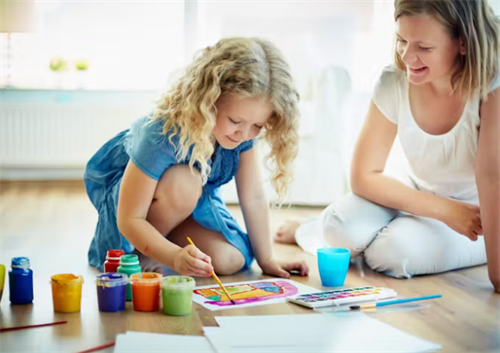
Screens, Schedules, and the Space In Between:
One of the biggest challenges for modern families is balancing screen time with free time. Digital entertainment can be engaging, even educational—but it often fills the mental “white space” creativity needs to grow.
When children constantly consume, they have less opportunity to create.
That doesn’t mean banning screens entirely, but being intentional about their use. A few ideas:
Set aside screen-free times, such as during family meals or right before bedtime.
Balance digital and analog play—for every hour online, offer an hour of open-ended offline time.
Encourage creation over consumption—let them make short videos, design, draw, or build something inspired by what they see.
Similarly, watch for overscheduling. Activities are valuable, but too many can crowd out rest and reflection. A balanced week includes structured learning and time to wander, imagine, or simply sit and think.
How Free Time Fuels Innovation?
Some of the world’s most creative minds credit boredom and free time as the seeds of their success.
Albert Einstein said his best ideas came during long walks. Steve Jobs talked about the power of daydreaming. Children’s author J.K. Rowling imagined Harry Potter while staring out a train window.
These moments weren’t scheduled—they were spontaneous. Creativity doesn’t follow a timetable; it emerges from stillness, curiosity, and unhurried thought.
When we give children the gift of time without agenda, we’re giving them space to make connections, see patterns, and imagine possibilities beyond what’s in front of them.
Practical Ways to Encourage Creative Free Time:
1. Leave Open Blocks in the Schedule
Don’t fill every hour. Protect time that’s deliberately unstructured, especially on weekends.
2. Provide Tools, Not Instructions
Offer art supplies, building materials, books, nature, or music—but let children decide what to do with them.
3. Let Boredom Happen
Resist the urge to rescue your child from every moment of boredom. It’s a gateway to creativity, not a problem to solve.
4. Encourage Outdoor Play
Nature is the ultimate creative playground. Climbing, collecting, inventing games—all stimulate imagination and confidence.
5. Join In—Sometimes
When you play with your child, do it as a partner, not a director. Follow their lead and share their world of imagination.
6. Value Process Over Product
Praise effort and curiosity, not just the final result. Creativity thrives when children feel free to experiment without fear of failure.
7. Be a Role Model
Let your child see you enjoy free time, too—reading, doodling, gardening, or simply relaxing. Creativity is contagious when it’s modeled naturally.
Free time builds more than creative thinking—it cultivates essential life skills. Children who learn to entertain themselves, manage boredom, and pursue interests independently grow into adults who are adaptable, self-motivated, and emotionally balanced.
They become problem-solvers who see opportunities where others see obstacles. They develop resilience because they’ve practiced navigating uncertainty. They learn to listen to their own ideas and trust their instincts.In short, they don’t just follow paths—they create them.
Recommend for you:
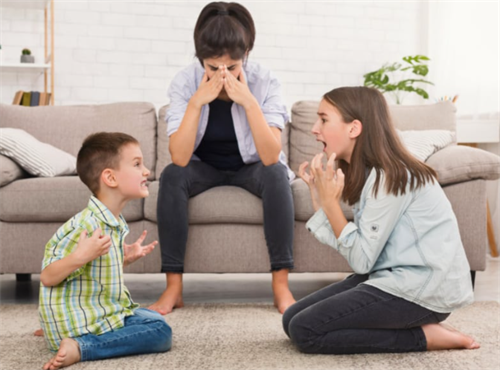
Sibling Rivalry: From Fighting to Friendship
Sibling rivalry can feel endless, and sometimes, it leaves you wondering if your kids will ever get along.
Child Psychologist Answers Your Top 10 Parenting Questions
Parenting is one of the most rewarding—and challenging—journeys you’ll ever take. No book, class, or expert can prepare you for every situation.
Wise Parents First Take Care of Themselves
Parents often submerge themselves wholly in the demands of raising a child—putting their own needs on hold, surrendering sleep and free time, abandoning hobbies or dreams
Understanding Your Child: Cultivating Their Mind and Soul
We read countless articles, attend seminars, and pour our hearts into raising our children, yet sometimes it seems no matter how hard we try, challenges persist—tantrums, homework battles, or struggles with self-confidence.