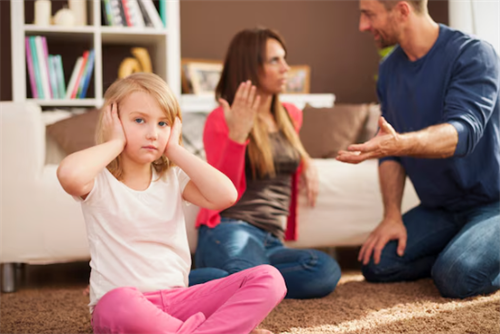
Sibling Rivalry: From Fighting to Friendship
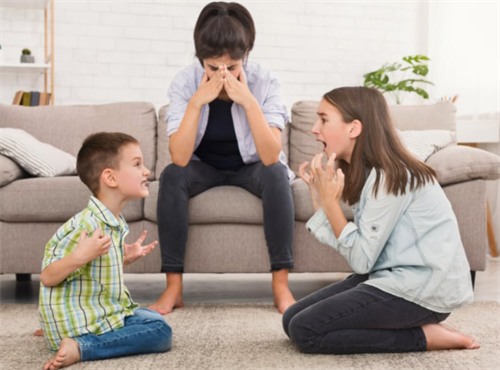
Sibling rivalry can feel endless, and sometimes, it leaves you wondering if your kids will ever get along.But here’s the good news: conflict between siblings isn’t a sign of failure—it’s actually a natural and even healthy part of growing up. Through these everyday clashes, children learn how to negotiate, empathize, share, and stand up for themselves.
Still, when the bickering gets loud or constant, it’s hard not to step in with frustration. Understanding why sibling rivalry happens—and how to turn it into a chance for connection—can make family life a lot smoother.
1. Why Sibling Rivalry Happens
Sibling rivalry isn’t about kids disliking each other—it’s about learning how to share space, attention, and love.
When a new baby enters the family, the older child might feel replaced. Later, differences in personality, age, or interests can create friction. Even small things—like who got the bigger slice of cake or more screen time—can ignite big emotions.
From a child’s point of view, it’s not really about cake. It’s about fairness, belonging, and their place in your heart.
Parents often feel torn, but it helps to remember: children compete not because they want to fight, but because they’re learning how to exist in a family system. Your role isn’t to eliminate rivalry completely, but to guide them through it with empathy and structure.
2. Avoid Comparing Your Children
One of the most powerful ways to reduce sibling tension is to resist comparison. Even innocent remarks—“Your sister eats her vegetables, why can’t you?”—can unintentionally create competition or resentment.
Each child needs to feel valued for who they are, not how they measure up to a sibling. Celebrate their individual strengths: “You have such a creative imagination,” or “I love how patient you are.”
When children feel secure in your love, they don’t need to fight for it.
If they ever say, “You love her more,” don’t rush to deny it. Instead, offer gentle reassurance: “I love you both in your own special ways, because you’re each unique.”You’re each special to me.”
3. Give Each Child Their Own Space and Role
While siblings share a family, they also need moments that are just theirs.
This could mean a designated spot for their belongings, one-on-one time with a parent, or the freedom to make their own choices. Even a few minutes of focused attention—a bedtime chat, a walk around the block—helps them feel seen and secure.
Children also benefit from having clear roles that don’t overlap too much. For example, instead of labeling one child “the smart one” and the other “the funny one,” highlight how both have unique strengths. When each child has a sense of identity, they’re less likely to compete.
4. Expect Conflict—But Guide the Process
Disagreements are inevitable, but they’re also an opportunity for growth.
When fights break out, resist jumping in right away. Give them a moment to see if they can resolve it themselves. If voices escalate or someone gets hurt, then step in—but not as a referee handing out blame.
Instead, act as a coach. Help them name feelings: “It sounds like you’re both upset because you wanted the same toy.” Then, guide them toward problem-solving: “What could we do so both of you feel okay?”
Children who learn to express their needs and listen to others are building lifelong social skills.
Remember, your calm presence teaches far more than any lecture ever could.
5. Teach Emotional Literacy
Often, what looks like “fighting” is really frustration or jealousy in disguise. When kids have the words to express how they feel, they don’t need to use shouting or hitting.
You can help by naming emotions in everyday moments:
“It looks like you’re feeling disappointed because your brother got to pick the movie.”
“It’s hard when we have to take turns, isn’t it?”
This doesn’t excuse bad behavior—it validates the feeling behind it. Once a child feels understood, they’re more open to making amends or finding solutions.
Books about emotions, role-playing, or drawing feelings can also help children practice empathy and understanding toward each other.
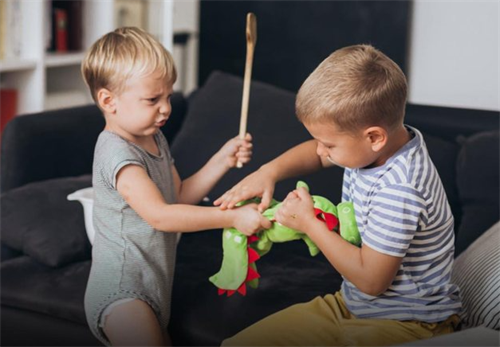
6. Focus on Fairness, Not Equality
Many sibling battles start with the cry: “It’s not fair!”
It’s tempting to try to make everything equal—same number of gifts, same amount of attention—but equality and fairness aren’t the same.
Fairness means giving each child what they need, not the exact same thing. A five-year-old and a ten-year-old, for example, need different levels of freedom, bedtime routines, and responsibilities.
Explain this clearly: “Fair doesn’t always mean the same—it means everyone gets what’s right for them.” Over time, children learn that love and fairness come in many forms.
7. Encourage Cooperation, Not Competition
Create opportunities for your children to work together instead of against each other.
Simple activities—like baking cookies, building a fort, or completing a puzzle—help them experience success as a team. Praise their cooperation: “You two worked really well together to build that tower.”
Family rituals also help strengthen bonds. Regular game nights, shared chores, or storytelling before bed can turn ordinary moments into memories.
When children share positive experiences, they begin to see each other not as rivals, but as allies.
8. Handle Jealousy with Compassion
Jealousy is one of the deepest roots of sibling rivalry. It’s natural for a child to crave attention, especially if they feel overshadowed by a sibling’s achievements or needs.
Instead of brushing it off (“Don’t be jealous”), acknowledge it: “I know it’s hard when your sister gets a lot of praise for her drawing. You wish people noticed your work too.”
Give them chances to shine in their own way. Maybe one loves art while the other enjoys helping in the garden or building things. When each child feels appreciated for their own contributions, jealousy loses its grip.
And remember, attention doesn’t always need to be big. Sometimes, a five-minute conversation on the couch or a simple “I noticed how kind you were today” can mean the world.
9. Model Healthy Conflict Resolution
Children learn how to handle disagreements by watching how their parents do it. If they see you and your partner arguing respectfully—listening, compromising, apologizing—they’ll internalize those skills.
If you lose your temper (and all parents do), take the opportunity to model repair. Say, “I was upset, and I yelled. I shouldn’t have done that. I’m sorry.” This demonstrates to your children that everyone makes mistakes—and that it’s possible to repair relationships.
When they see empathy and accountability in action, they’re more likely to bring those qualities into their sibling relationships.
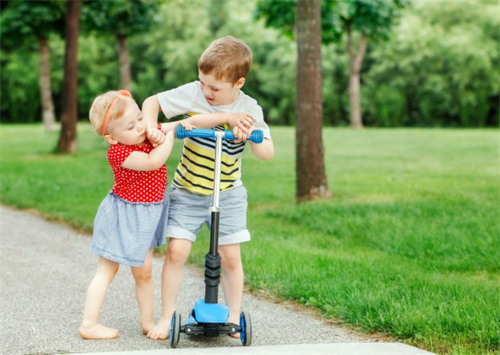
10. Intervene Wisely
Sometimes, fights escalate beyond healthy conflict. When emotions run high or physical aggression starts, you’ll need to step in.
The key is to stay neutral. Avoid labeling one child as “the problem” or “the victim.” Instead, focus on solutions: “I see two upset kids. Let’s take a break and talk when everyone’s calm.”
Once things have cooled down, guide them to reflect:
“What happened?”
“How did you feel?”
“What could we do differently next time?”
This approach teaches self-awareness and problem-solving instead of guilt or shame.
11. Nurture Empathy Through Daily Life
Empathy doesn’t just happen—it’s cultivated through experience.
Encourage small acts of kindness: helping a sibling find a lost toy, offering a snack, or cheering each other on. Point out caring behavior when it happens: “That was really thoughtful of you to share your blanket.”
You can also use storytelling to build empathy. When reading books or watching movies, pause to ask, “How do you think that character felt?” These little reflections add up, teaching children to see the world through others’ eyes—including their siblings’.
12. Make Time for Laughter
Shared laughter heals more wounds than we realize.
When things feel tense, lighten the mood with humor, a funny dance, or a family game. Joyful moments create emotional “glue” that helps siblings feel connected, even after a fight.
You can’t force friendship—but you can create an environment where it naturally grows through play, laughter, and love.
13. Know When to Step Back
As your children grow, they’ll need more space to work through conflicts independently. Trust them to use the tools you’ve taught.
Of course, keep an eye out for patterns of bullying, exclusion, or emotional distress—those need your attention. But everyday arguments? Those are practice for life.
When you give your children room to navigate disagreements, you’re teaching them resilience, negotiation, and respect.
Sibling rivalry may never disappear completely—and that’s okay. The goal isn’t to prevent all conflict, but to turn those moments into lessons in empathy, fairness, and forgiveness.As a parent, you are the steady bridge between their differences. By staying calm, listening deeply, and showing love that feels fair and secure, you help your children see each other not as opponents, but as lifelong allies.
Recommend for you:
A Guide to Cultivating Emotional Literacy by Age Group
Emotional literacy—the ability to recognize, understand, express, and manage emotions—is one of the most valuable skills a child can develop.
From Emotional Collapse to Mindfulness: Techniques for Soothing Young Children (and Yourself)
If you’ve ever watched your child melt down in the middle of the grocery store because you picked the wrong color cereal box, you know that parenting isn’t for the faint of heart.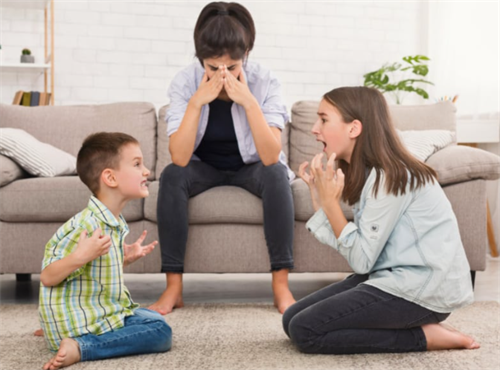
Sibling Rivalry: From Fighting to Friendship
Sibling rivalry can feel endless, and sometimes, it leaves you wondering if your kids will ever get along.
Fatherhood 2.0: How Modern Dads Are Re-defining Parenting
The image of fatherhood has changed more in the past few decades than in the previous hundred years.