
Child Psychologist Answers Your Top 10 Parenting Questions

Parenting is one of the most rewarding—and challenging—journeys you’ll ever take. No book, class, or expert can prepare you for every situation. Yet amid the chaos, questions often echo in every parent’s mind: Am I doing this right? Should I be stricter or softer? How do I raise a happy, confident child in today’s world?
To help guide you through the most common parenting dilemmas, here’s what child psychologists say about the questions parents ask most often—backed by research, but explained in a warm, practical way you can use at home.
1. How can I help my child build confidence?
Confidence doesn’t come from constant praise—it grows from experience. Children develop self-esteem when they feel capable, not just complimented. That means letting them try, fail, and try again.
Instead of rushing to fix a problem or stepping in to make things easier, encourage effort and persistence. Say, “You worked really hard on that,” rather than “You’re so smart.” This shifts the focus from innate ability to perseverance—a mindset that fosters lifelong confidence.
Also, give them meaningful responsibilities: setting the table, feeding a pet, or helping with younger siblings. Contributing makes kids feel competent and valued.
Most importantly, let them know they’re loved unconditionally. Confidence flourishes when children understand that their worth isn’t tied to achievements.
2. My child throws tantrums—how should I handle them?
Tantrums are not signs of bad behavior—they’re emotional overload. Young children often lack the words or self-control to express frustration, fear, or fatigue, so they melt down instead.
The key is to stay calm. Your composure teaches your child that emotions, even big ones, can be managed safely. Kneel to their level, speak gently, and validate their feelings: “I see you’re upset because we have to leave the park.” Validation doesn’t mean giving in—it means acknowledging the emotion before setting a limit.
Once the storm passes, talk briefly about what happened. Ask, “What could we do next time when you feel angry?” Over time, your child learns that feelings are natural—but so is learning how to handle them.
3. Should I worry if my child says they’re bored?
Actually, boredom can be a gift. It’s the gateway to creativity.
When children have constant entertainment—screens, toys, activities—they rarely get the chance to create their own fun. But when faced with boredom, their minds start to wander, explore, and invent. That’s when imagination blooms.
Instead of filling every free moment, encourage your child to find their own ideas. Offer simple prompts like, “What could you make with what’s around you?” or “What’s something fun you’d like to do outdoors?”
Resist the urge to step in too quickly. A few minutes of boredom can turn into an afternoon of discovery.
4. How much screen time is too much?
The American Academy of Pediatrics recommends limiting recreational screen time to about one hour per day for children ages 2–5, and ensuring screen use doesn’t replace sleep, exercise, or real-world interaction for older kids.
It’s not just about quantity, but quality. Choose educational or creative content over passive watching, and try to co-view when possible. Talk about what they’re watching—ask questions like, “What made that character feel sad?”—to make screen time a shared and meaningful moment.
Also, set clear boundaries: establish screen-free times, such as during meals or before bedtime. This helps children learn that technology is a tool—not a constant companion.
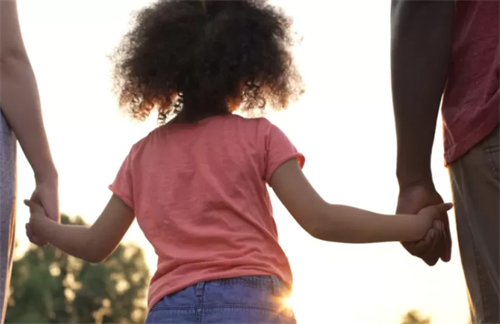
5. How do I get my child to listen without yelling?
Every parent loses their patience sometimes—but yelling rarely leads to true listening. It may stop the behavior temporarily, but it doesn’t teach understanding or respect.
Instead, focus on connection before correction. Get close, make eye contact, and speak calmly but firmly. Children are far more likely to cooperate when they feel heard.
For example, instead of shouting, “Stop running!”, try, “I need you to walk so everyone stays safe.” Clear, positive instructions work better than angry demands.
When emotions rise, take a breath. Pausing before reacting isn’t weakness—it’s wisdom. Your calm sets the tone for theirs.
6. What’s the best way to discipline without being harsh?
Discipline isn’t about punishment—it’s about teaching. The goal is to help children learn self-control, not fear consequences.
Natural and logical consequences are powerful teachers. If your child forgets their lunch, they’ll feel hungry and learn to remember next time. If they spill milk, have them help clean it up. These moments teach accountability without shame.
Set clear expectations, follow through consistently, and praise positive behavior when you see it.
And remember: discipline delivered with love is more effective than control through fear. Children respect rules when they feel respected themselves.
7. How can I help my child manage anxiety or fear?
Anxiety is part of being human—even for kids. It only becomes a problem when it overwhelms them or limits daily life.
Start by listening. Avoid brushing fears aside (“There’s nothing to worry about”)—that only teaches children that their emotions aren’t valid. Instead, say, “That sounds scary. Tell me more.” Then gently offer facts and reassurance.
Teach coping skills: deep breathing, drawing their feelings, or visualizing a “safe place.” For older children, explain how anxiety works in the body—like a false alarm that goes off even when there’s no danger.
If fears persist or interfere with school or sleep, seek support from a counselor or psychologist. Getting help early builds emotional resilience, not weakness.
8. My child compares themselves to others. How can I teach them self-worth?
Comparison is natural, especially in today’s social media world, but it can chip away at self-esteem.
The antidote is helping your child focus on growth, not comparison. Remind them that everyone has strengths and challenges—and that their journey is uniquely theirs.
Model this attitude yourself. If your child hears you criticizing your own looks or achievements, they’ll learn to do the same. Celebrate effort and progress instead of perfection: “You’ve improved so much since last time!”
Encourage gratitude, too. Writing down one thing they’re proud of or thankful for each day shifts focus from what they lack to what they have.

9. How do I raise a child who’s kind and empathetic?
Empathy begins at home. Children learn kindness by experiencing it firsthand.
Show empathy in your daily interactions—apologize when you’re wrong, express gratitude, and talk about feelings openly. When your child shares how they feel, respond with understanding rather than quick solutions.
Use real-life moments to discuss emotions: “How do you think your friend felt when that happened?” or “What could we do to help?” These conversations build emotional vocabulary and compassion.
Volunteering, caring for a pet, or helping a neighbor are also powerful lessons. Empathy grows when children see how their actions affect others.
Most importantly, model what you hope to see. Kids may not always listen to what we say, but they absorb what we do.
10. What matters most in parenting overall?
Amid the endless advice and ever-changing trends, one truth stands firm: what matters most is your relationship with your child.
Children don’t need perfect parents—they need present ones. They thrive on connection, consistency, and love. When they feel safe with you—safe to fail, to cry, to question—they develop the confidence to explore the world and become themselves.
Parenting isn’t about getting every decision right. It’s about showing up, learning together, and repairing when things go wrong. When you apologize after losing your temper or listen after a tough day, you’re teaching empathy, accountability, and trust—all at once.
Remember, your child doesn’t need you to be flawless. They need you to be real.
A Few Bonus Tips from the Experts:
Don’t compare your parenting journey. Every child and family is different. What works for one might not work for another—and that’s okay.
Take care of yourself. Children model what they see. When you rest, recharge, and manage stress, you’re showing them how to care for their own wellbeing.
Stay curious. Ask questions instead of assuming motives: “What made you feel that way?” Curiosity keeps communication open.
Laugh together. Humor defuses tension, builds connection, and reminds everyone that parenting is as much about joy as it is about guidance.
Parenting doesn’t come with a manual—but it does come with endless opportunities for growth. You’ll make mistakes, lose patience, and question yourself a hundred times. But that’s part of the process.it’s not about perfection—it’s about presence. The fact that you’re asking questions, reflecting, and striving to do better already makes you a good parent.
Recommend for you:

A Guide to Cultivating Emotional Literacy by Age Group
Emotional literacy—the ability to recognize, understand, express, and manage emotions—is one of the most valuable skills a child can develop.
Child Psychologist Answers Your Top 10 Parenting Questions
Parenting is one of the most rewarding—and challenging—journeys you’ll ever take. No book, class, or expert can prepare you for every situation.
Why Free Time Is Crucial for Developing Creativity?
In a world that seems busier than ever, children’s days are often packed from morning to night—school, sports, homework, music lessons, language classes, and maybe a few minutes of screen time squeezed in before bed.
How to Rebuild Your Career After a Full-Time Parenting Break?
For many women, stepping away from the workforce to raise children is a deeply intentional and meaningful choice.