
Why are the children in France calm, confident and happy? The true secret of French parenting
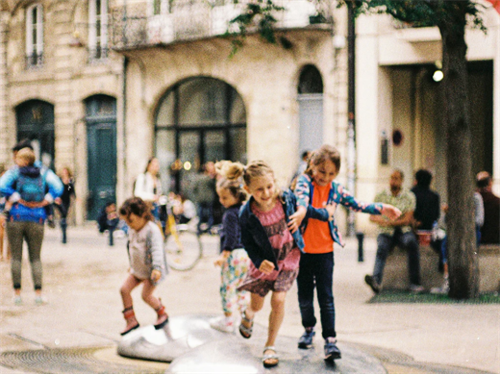
Why do French children seem so calm, polite, and well-behaved — even in public places where chaos often reigns? Visitors from other countries frequently notice how French toddlers sit quietly at the table, eat the same meals as adults, and rarely throw tantrums in restaurants or supermarkets. It’s not magic — it’s a parenting philosophy rooted in balance, boundaries, and respect.
French parenting has gained worldwide attention in recent years, thanks to works like Pamela Druckerman’s Bringing Up Bébé, which explores why French children sleep through the night, eat vegetables willingly, and seem more self-sufficient than many of their peers elsewhere. While no single parenting model fits every family, the French approach offers valuable lessons on how to raise emotionally secure and independent children without constant stress or power struggles.
1. The Two-Minute Pause: Teaching Babies to Self-Soothe
One of the most surprising observations about French infants is that many begin sleeping through the night as early as two or three months old. This isn’t due to luck or genetics — it’s the result of what French parents call “le pause”, or “the pause.”
When a baby wakes and cries at night, French parents typically wait for a minute or two before rushing in. This short pause gives the baby a chance to settle back to sleep independently. Pediatric specialists note that newborns naturally cycle through light and deep sleep every few hours. By allowing them to experience these transitions without immediate intervention, parents help babies learn to connect their sleep cycles — a vital step toward self-soothing.
While some parents may initially feel uneasy about not responding instantly, this method isn’t about neglect. It’s about observation and trust — giving the baby space to develop self-regulation skills early on. Over time, children who learn to comfort themselves often sleep better and display greater emotional resilience.
2. Food Is Family: Cultivating Healthy Eating Habits from the Start
French mealtime culture is another striking difference. In many countries, parents struggle to get children to eat anything beyond fries, nuggets, or pasta. But in France, there’s no such thing as “kids’ food” — there’s simply food.
From an early age, French children are introduced to the same meals as adults. They learn to enjoy a wide range of flavors and textures — vegetables, fish, cheese, soups, and fruits. Mealtime isn’t just about nutrition; it’s a family ritual that emphasizes structure, patience, and conversation.
French families also adhere to set meal times. Snacks are rare, usually limited to one afternoon treat known as le goûter. This structure helps children understand hunger cues and reduces mealtime power struggles.
By creating a calm and respectful dining environment, parents teach their children that eating is a social and sensory pleasure — not a battlefield. The result? Children who approach food with curiosity rather than defiance, and families who enjoy shared meals without chaos.
3. Patience Training: Learning to Wait and Manage Frustration
If there’s one quality French parents value deeply, it’s patience. In French households, children are taught from a young age that they can’t always have what they want — at least not immediately.
When a child whines or demands something, French parents often respond with a firm but calm “non” (no) or “attends” (wait). These small moments of delay serve as everyday lessons in emotional control. Instead of negotiating endlessly, parents maintain clear boundaries.
Psychologists agree that this consistency helps children feel secure. They learn that “no” means “no,” and that disappointment is a normal part of life. Over time, children develop a stronger sense of self-regulation — a skill that supports academic success, social relationships, and mental health later in life.
A French mother once explained it this way: “We don’t raise children to be the center of the world. We raise them to be part of it.”
4. Authority Without Aggression: The Role of Parental Boundaries
French parenting is often described as authoritative — not authoritarian, but firm and fair. Parents maintain clear authority without shouting or excessive punishment. They believe children need guidance and structure just as much as they need love and freedom.
While physical discipline (la fessée) was once common, modern French families are increasingly turning to verbal correction and logical consequences instead. The focus is on respect — children are expected to follow rules, but parents are equally expected to model calm, respectful behavior.
Phrases like “Arrête!” (“Stop!”) or “Ça suffit!” (“That’s enough!”) are used sparingly but effectively. Over time, children internalize boundaries and learn self-discipline without constant external enforcement.
This balance — warm yet firm — is what distinguishes the French approach. Parents are not overly permissive, nor are they controlling. They act as gentle leaders, guiding rather than commanding.
5. The Power of Observation: Understanding Before Intervening
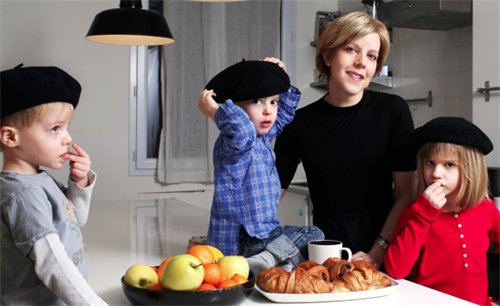
A cornerstone of French parenting is observation. Rather than hovering or micromanaging, parents take time to watch their children — to understand what they truly need or feel before stepping in.
Pamela Druckerman describes how French parents seem almost serene in playgrounds or restaurants. They don’t chase after their children every second or rush to solve every problem. Instead, they give space for exploration, independence, and natural learning.
This approach stems from a deep respect for children as capable individuals. By observing instead of overreacting, parents help children build confidence, autonomy, and problem-solving skills.
6. Family Harmony: A Joyful Home Builds Stronger Children
In many French families, happiness is seen as the foundation of good parenting. A calm, joyful household benefits everyone — especially children. Parents emphasize laughter, play, and open conversation.
French fathers often play an active, humorous role in family life, while mothers balance affection with practical wisdom. They encourage children to express opinions, ask questions, and explore ideas.
For instance, when a child struggles with homework, French parents don’t immediately provide answers. Instead, they ask, “What part don’t you understand? Why is it confusing?” This approach fosters critical thinking and independence.
Family discussions also extend to moral values. Parents teach children to respect everyone equally — family members, friends, and strangers alike. Courtesy and empathy are seen as everyday virtues, not optional lessons.
7. Raising Independent Thinkers
Perhaps the greatest gift French parents give their children is freedom — within limits. They encourage kids to think for themselves, make small decisions, and take responsibility for those choices.
When given the chance to choose, even in small matters like clothing or hobbies, children learn that independence comes with accountability. French parents don’t micromanage every decision; they allow room for mistakes and self-discovery.
This mindset helps children develop confidence and resilience. It also reduces rebellion during adolescence — when independence becomes essential for identity formation.
8. Lessons the World Can Learn
Every culture shapes parenting differently. What works in France may not directly translate elsewhere — but the philosophy behind it can inspire reflection.
Parents worldwide can apply some key takeaways from the French approach:
Encourage independence early. Allow children to try, fail, and learn.
Establish boundaries calmly. Say “no” with confidence and consistency.
Prioritize family meals. Use shared dining as a time for connection, not negotiation.
Cultivate patience. Let children experience waiting — it builds resilience.
Foster curiosity and respect. Encourage questions and teach empathy for others.
Model balance. Show that adults can work, relax, and laugh — life isn’t just about achievement.
In contrast, in some cultures where academic pressure dominates family life, children may lose touch with simple joy and self-expression. The French remind us that childhood is not a race — it’s a season for discovery and growth.
9. Nurturing Authenticity: Helping Children “Be Themselves”
One of the most profound principles in French parenting is helping children embrace who they are. Parents teach that self-worth isn’t measured by comparison. They encourage children not to compete constantly, but to live authentically — to discover what truly brings them joy and meaning.
This doesn’t mean permissiveness. It means trust — trusting that each child, given love and boundaries, will naturally develop into their best self.
French parents believe that a child who feels secure and respected will, in turn, respect others. And a child raised with both freedom and structure will grow into an adult capable of empathy, self-discipline, and happiness.
True love in parenting is not control — it’s guidance. The French way teaches us that discipline and affection can coexist, that laughter can accompany structure, and that independence can grow alongside connection.Every child deserves the chance to become the author of their own story. Our job as parents is not to write it for them — but to give them the tools, confidence, and compassion to write it themselves.
So perhaps the real secret of French parenting isn’t about sleeping through the night or perfect table manners. It’s about raising children who feel seen, heard, and trusted — children who know how to live with joy, patience, and purpose.
Recommend for you:

Sibling Rivalry: From Fighting to Friendship
Sibling rivalry can feel endless, and sometimes, it leaves you wondering if your kids will ever get along.
How Different Countries Teach Children to Face Challenges?
In today’s rapidly changing world, it has become increasingly clear that intelligence and talent alone are not enough to guarantee success.
Child Psychologist Answers Your Top 10 Parenting Questions
Parenting is one of the most rewarding—and challenging—journeys you’ll ever take. No book, class, or expert can prepare you for every situation.
The Power of Games: Unlocking Children’s Language, Brain, and Social Skills
When you think of children playing games, you might picture giggles, shouts, and perhaps a little friendly chaos.