
Fatherhood 2.0: How Modern Dads Are Re-defining Parenting

The image of fatherhood has changed more in the past few decades than in the previous hundred years. Once defined largely by breadwinning and discipline, fatherhood today is being reimagined as something far richer and more emotionally connected. Modern dads are stepping into a new kind of parenting—one that values nurturing as much as providing, listening as much as leading, and partnership as much as protection.
The Changing Face of Fatherhood:
In the past, cultural norms cast fathers as the family’s authority figure and financial provider. Emotions, caregiving, and day-to-day parenting were often considered “mom’s domain.” But today’s fathers are rewriting that script.
They’re showing up at pediatric appointments, mastering diaper changes, and packing lunch boxes. They’re reading bedtime stories, attending parent-teacher conferences, and talking openly about mental health. The modern dad isn’t just present—he’s participating.
This shift didn’t happen overnight. Economic, cultural, and social changes have all played a part. More women entered the workforce, dual-income families became the norm, and flexible work arrangements—especially post-pandemic—gave fathers more opportunities to engage at home. But beyond logistics, it’s a mindset shift.
Modern fathers are realizing that being a “good dad” isn’t about doing things for the family—it’s about doing things with the family.
Fatherhood as Connection, Not Just Responsibility:
For many men, becoming a father awakens a profound sense of purpose. Yet, it also comes with uncertainty. What does it mean to be emotionally available? How do you balance providing and being present?
The answer lies in connection. Children don’t remember how spotless the house was or how much money their parents made—they remember moments of love, play, and understanding.
Connection looks like this:
Sitting on the floor building Lego towers together.
Talking through fears instead of brushing them off.
Saying “I love you” and meaning it, without hesitation.
Letting your child see you apologize, laugh, and even cry.
When fathers model emotional openness, they teach their children—especially sons—that vulnerability is not weakness but strength. Research consistently shows that kids with emotionally engaged dads tend to have higher self-esteem, better social skills, and stronger academic outcomes.
Simply put, connection is the new cornerstone of fatherhood.

The New Dad Playbook: What Modern Fatherhood Looks Like
1. Co-Parenting as a True Partnership
Gone are the days when one parent handled work while the other handled the home. Today’s families thrive when both parents share responsibilities and support each other’s goals.
Modern dads understand that parenting isn’t about helping their partner—it’s about owning half the parenting load. That means taking initiative, not waiting for instructions. It means learning how to soothe a fussy baby, plan meals, and schedule doctor visits without being asked.
Partnership also means respect. When dads see their partner’s emotional and physical labor, they learn to communicate, plan, and divide tasks fairly. It’s not about perfection—it’s about teamwork.
2. Redefining Masculinity Through Fatherhood
Traditional masculinity often emphasized toughness, stoicism, and control. But Fatherhood 2.0 embraces a broader definition—one that includes compassion, patience, and emotional honesty.
Modern dads show strength through empathy. They comfort their crying child without shame. They talk about their own fears and seek advice when needed. They know that caring deeply is not unmanly—it’s human.
In doing so, they’re teaching their children that strength and sensitivity can coexist beautifully. This new model of masculinity doesn’t reject the old—it expands it.
3. Presence Over Perfection
Many dads today feel pressure to “do it all”—excel at work, be fully present at home, stay fit, and keep it all together. But real fatherhood isn’t about being perfect; it’s about being present.
Kids don’t need flawless fathers—they need fathers who show up.
Whether it’s reading a bedtime story after a long day or turning off your phone to watch their soccer game, presence communicates love in a way words can’t.
Small, consistent gestures—morning hugs, inside jokes, late-night talks—build the emotional foundation that children carry for life.
4. Emotional Availability
One of the most transformative aspects of modern fatherhood is emotional literacy. Dads are learning to name their feelings and guide their children in doing the same.
When a dad says, “I felt disappointed when that happened, but I’ll try again,” he’s modeling emotional resilience. When he asks, “How did that make you feel?” he’s teaching empathy.
Being emotionally available doesn’t mean being endlessly cheerful—it means being real and responsive. It’s listening, not fixing. It’s saying, “I hear you,” even when you don’t have the answers.
5. Active Participation in Early Years
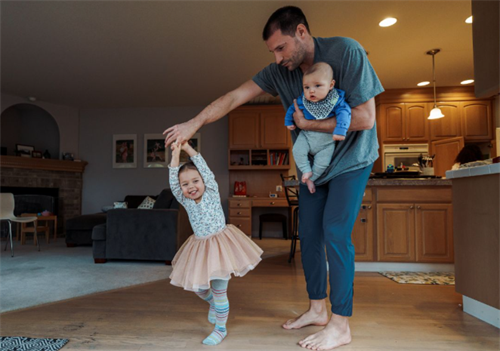
Many fathers used to become more involved once their children were older, assuming babies “needed their mothers more.” But research shows that early engagement—feeding, cuddling, reading, and playing—has lifelong benefits.
Infants bond deeply with fathers who respond to their cues. Those early interactions boost emotional security and language development. And for dads, they create confidence and intimacy that lasts far beyond the baby years.
Fatherhood 2.0 starts in the nursery, not the schoolyard.
Challenges Modern Fathers Face:
For all its progress, the evolution of fatherhood isn’t without hurdles.
1. Social Expectations
Even today, many men still feel judged for taking paternity leave or adjusting work schedules to prioritize family. Society often praises “hands-on dads” but still subtly assumes that mothers should be the default parent.
2. Work-Life Balance
Despite growing awareness, many workplaces haven’t fully caught up. Long hours, limited leave, and cultural stigma make it hard for fathers to be as present as they want to be.
3. Emotional Learning Curve
For some men, being emotionally expressive doesn’t come naturally. Many grew up without seeing male role models who were open about feelings. Learning to break that pattern can feel awkward—but it’s worth it.
4. The Myth of “Superdad.”
The idea that dads must juggle career success, family devotion, and personal hobbies flawlessly can be exhausting. The truth? No parent can do it all. Balance looks different for everyone, and it’s okay to admit when you’re stretched thin.
Fatherhood and Mental Health:
An often-overlooked part of fatherhood is mental health. Postpartum depression and anxiety affect fathers too, though they’re less likely to talk about it. Adjusting to parenthood can be disorienting—sleep deprivation, changing routines, and shifting identities take their toll.
Modern fatherhood encourages openness about these challenges. Talking to a partner, friend, or therapist doesn’t diminish strength—it demonstrates it. When dads care for their own emotional well-being, they become more patient, grounded, and supportive for their families.
Raising the Next Generation—Together:
Perhaps the most beautiful part of Fatherhood 2.0 is how it changes not just families but society.
When fathers take an active role in caregiving, children grow up seeing equality as normal. Daughters learn what respectful partnership looks like. Sons learn that kindness is a core part of manhood.
Children raised with emotionally present fathers often become adults who are better communicators, more empathetic friends, and more confident partners. In that sense, every diaper changed, every bedtime story read, every heart-to-heart talk ripples outward—shaping the culture of tomorrow.
What Children Remember:
Ask an adult about their favorite memory with their dad, and you’ll rarely hear about gifts or grand gestures. More often, it’s small, meaningful moments:
Learning to ride a bike with Dad running beside them.
Hearing him cheer from the sidelines.
Talking on the porch late at night.
Being hugged after a hard day.
These are the threads that weave a child’s sense of safety and belonging.
Modern dads are realizing that their legacy isn’t measured in achievements—it’s written in connection.
Practical Ways to Embody Fatherhood 2.0:
Share the invisible work. Keep track of doctor appointments, school forms, and emotional check-ins, not just physical chores.
Make time for one-on-one moments. Regular “dad dates” with each child strengthen individual bonds.
Stay curious. Ask questions, listen to their stories, and take an interest in their world—even when it’s filled with video games or teenage slang.
Apologize and repair. When you lose your temper, own it. Children learn integrity by watching how you handle mistakes.
Prioritize joy. Play, laugh, and be silly. Fatherhood isn’t just about guidance—it’s about shared happiness.
Fatherhood 2.0 isn’t about perfection—it’s about presence, growth, and connection. It’s about showing up, learning as you go, and redefining what strength looks like in a modern world.Today’s dads are building a legacy not just through what they do, but through who they are: patient, kind, resilient, and real.
Recommend for you:

The universally recognized parenting model: nurturing outstanding children
Across the globe, parents adopt different approaches to raising children, but research in developmental psychology highlights that some methods are consistently more effective in nurturing well-rounded, resilient, and successful individuals.
How Colors Shape Your Child’s Emotions and Development: A Parent’s Guide to Using Color Wisely?
Have you ever noticed that your child behaves differently in different rooms? Some parents describe how their baby becomes unusually fussy at their grandparents’ house but instantly calms down at home.
How to Choose the Right Summer Camp for a Child with Special Needs?
When an eight-year-old boy with autism went missing during a summer camp, his tragic story shook the hearts of countless families.
How Different Countries Teach Children to Face Challenges?
In today’s rapidly changing world, it has become increasingly clear that intelligence and talent alone are not enough to guarantee success.