Sleep Secrets from Around the World: What Different Cultures Can Teach Us
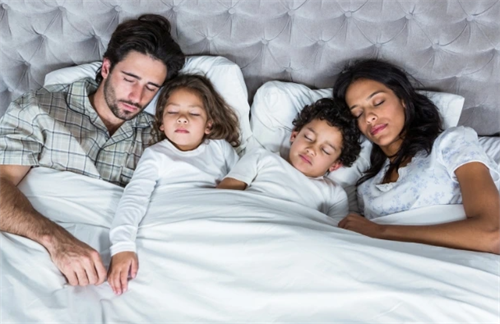
The way families around the world deal with sleep varies greatly.Some cultures embrace co-sleeping as a sign of warmth and connection, while others value independence from an early age. Some follow strict bedtime routines, while others let children fall asleep naturally whenever they’re tired.
As it turns out, there isn’t just one “right” way to sleep. The secret lies in understanding what works best for your family — and learning from the rich diversity of parenting traditions around the globe.
1. Japan: The Art of Shared Sleep
In Japan, it’s common for families to practice “oya-ne” — literally “sleeping with parents.” Children often share the same futon or sleep close by on tatami mats well into middle childhood. This setup reflects Japan’s deep cultural value of oya-ko shinwa — parent-child closeness and harmony.
Unlike in many Western households where independence is emphasized early on, Japanese parents view co-sleeping as a natural extension of family life. The futon culture also makes it easy; beds are laid out at night and folded away during the day, keeping flexibility and space in small homes.
What’s fascinating is that Japanese children, despite sleeping with their parents, tend to develop strong independence in other areas. They walk to school alone, manage their belongings, and take part in group responsibility from a young age.
Lesson: Co-sleeping doesn’t necessarily make children clingy. It can, in fact, nurture emotional security — which later supports confidence and self-reliance. The key is balance: closeness without overprotection.
2. Scandinavia: Fresh Air and Freedom
If you visit Denmark, Norway, or Sweden, you might be surprised to see babies napping outside — even in chilly weather! It’s not unusual to find a pram parked on a porch, balcony, or outside a café, with a peacefully sleeping baby bundled in warm clothes and blankets.
This outdoor nap tradition, known as “barnevognslur” in Danish, is rooted in the Nordic belief that fresh air promotes better sleep and health. Parents swear by it: babies nap longer, sleep deeper, and get plenty of oxygen. Schools and daycare centers also follow the same practice, letting children nap in covered outdoor areas.
Of course, safety is always ensured — parents keep a close eye and use baby monitors or stay nearby. But the idea challenges the modern obsession with perfectly climate-controlled sleep environments.
Lesson: A little fresh air can go a long way. Try incorporating outdoor naps (weather permitting), or simply add fresh air and daylight exposure to your baby’s daily rhythm. Nature, it turns out, is one of the best sleep aids.
3. Italy and Spain: The Late-Night Bond
In Southern Europe, bedtime can look very different. In Italy and Spain, children often stay up late — sometimes until 10 or 11 p.m. — and join in family dinners or social gatherings. This may seem shocking to parents used to strict bedtime schedules, but it reflects a cultural value of togetherness over timetables.
Families believe that including children in evening life builds strong social bonds and teaches adaptability. Sleep happens naturally afterward, without battles or rigid rules. Many parents find that when bedtime is flexible and joyful rather than forced, everyone ends the day in better spirits.
Of course, these late nights are balanced by naps or slower morning starts, fitting into the rhythm of Mediterranean life. The emphasis isn’t on how many hours a child sleeps according to a clock, but on the quality of rest and family connection.
Lesson: A relaxed attitude toward bedtime can reduce power struggles. Sometimes, emotional closeness matters more than clock-based perfection. Creating a calm, connected evening routine can be more important than enforcing an exact bedtime.
4. India: Family Beds and Generational Comfort
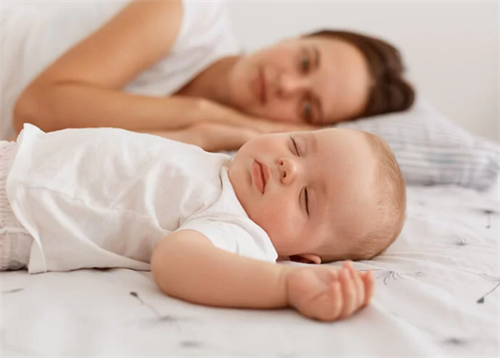
In many Indian households, co-sleeping is the norm — not just for young children, but often for the entire family. It’s common for grandparents, parents, and children to share one large sleeping area, either on beds pushed together or on floor mats.
This setup is practical, especially in multigenerational homes, but it also carries deep emotional significance. Sleep is seen as a time for unity and safety, not solitude. Parents believe that children sleep best when they feel surrounded by love and family energy.
Interestingly, Indian children often transition smoothly into independent sleeping later on, without the “sleep training” struggles common in Western homes. Because they start with security, they don’t fear separation — they grow into it naturally.
Lesson: Comfort and closeness can be powerful sleep tools. For parents struggling with bedtime anxiety or night waking, a shared sleeping space — even temporarily — can provide reassurance for both child and parent.
5. Kenya: Rhythms of Rest, Not Routines
Among the Kikuyu and other Kenyan communities, parents rarely impose fixed sleep schedules. Babies nap and wake according to their own rhythm, often being carried or held throughout the day. Mothers keep their babies close — either in slings or on their backs — which allows sleep to blend seamlessly into daily life.
This flexible, baby-led approach contrasts sharply with Western notions of strict nap times or self-soothing. Kenyan mothers view responsiveness as natural: if a baby cries, they pick them up immediately; if a baby is tired, they sleep, regardless of the clock.
The result? Babies tend to sleep peacefully and adapt easily because their biological rhythms are respected. Parents trust their instincts rather than manuals.
Lesson: There’s no universal “schedule” for sleep. Tuning into your baby’s cues can reduce stress and improve rest for everyone. Sometimes, listening beats controlling.
6. The Netherlands: The Champions of Routine
In contrast, Dutch parents are known for their predictable bedtime rituals — and it works wonders. The Netherlands consistently ranks among the top countries for child well-being, and good sleep is part of that equation.
Dutch families prioritize early bedtimes, calm evenings, and consistent routines. Dinner, bath, story, sleep — the pattern rarely changes. There’s a strong belief that children thrive on structure, and bedtime is treated as sacred family time.
But here’s the twist: even though routines are strict, the overall culture is relaxed. Parents don’t stress over sleep training or compare their kids’ progress. They simply trust that predictability leads to peace — and it usually does.
Lesson: Consistency breeds calm. A simple, repetitive bedtime routine — without screens, rush, or pressure — helps signal safety and restfulness. Predictability can be comforting for both child and parent.
7. Brazil: Music, Motion, and Warmth
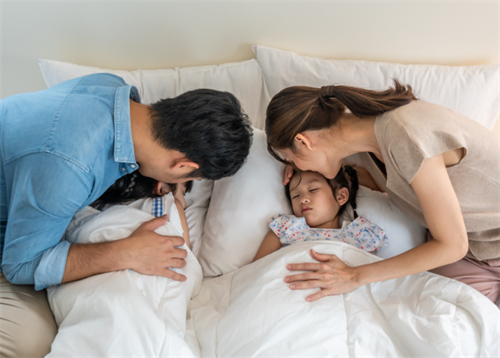
In Brazil, bedtime often includes rhythm — literally. Parents frequently rock, sing, or dance their children to sleep. Lullabies, known as “cantigas de ninar,” are a cherished tradition, blending gentle movement and music.
This sensory-rich approach turns bedtime into an experience of connection and creativity, not just a transition to rest. Many Brazilian parents also keep their babies close during the night, either in a shared room or bed, fostering warmth and emotional closeness.
Sleep here isn’t about shutting down the day abruptly — it’s about winding down with affection, touch, and sound.
Lesson: Bedtime can be an expression of love and culture. Whether through song, story, or gentle rocking, sensory comfort helps children associate sleep with safety and joy.
8. The United States: The Independence Model
American parenting culture often focuses on fostering independence early — and that extends to sleep. Cribs, separate rooms, and sleep training methods like “cry it out” are widely practiced, aiming to help babies learn to fall asleep on their own.
While this approach can sometimes feel emotionally tough, many parents find that it builds strong self-soothing skills and ensures better rest for everyone in the long run. It’s also practical for families where both parents work and need structured sleep patterns.
However, there’s growing recognition in the U.S. that flexibility matters. Many modern parents are blending traditional independence-based sleep training with gentler, more responsive approaches.
Lesson: Independence is valuable — but it doesn’t have to come at the cost of connection. Whether your child sleeps alone or by your side, emotional reassurance remains the foundation of good rest.
Parenting isn’t one-size-fits-all. Every culture adapts to its environment, values, and history — and each approach has something meaningful to offer.From Japan’s closeness to the Netherlands’ structure, from Kenya’s flexibility to Scandinavia’s outdoor naps, the takeaway is this: good sleep isn’t about perfection. It’s about peace — physical, emotional, and cultural.
Here are a few universal truths that shine through these diverse traditions:
1). Security breeds sleep. Whether through proximity, routine, or warmth, children sleep best when they feel safe.
2). Simple and conversational.Every culture has its own idea of comfort, and that variety is perfectly natural.
3). Flexibility matters. Babies aren’t robots; rhythms change, and adaptability helps everyone rest better.
4). Connection counts. Love and presence, more than any technique, are the most powerful sleep tools of all.
Recommend for you:
How Parents Can Manage Stress and Reclaim Balance?
Every parent, no matter how devoted, faces moments when the demands of family life seem to exceed their emotional or physical capacity.
The Power of Games: Unlocking Children’s Language, Brain, and Social Skills
When you think of children playing games, you might picture giggles, shouts, and perhaps a little friendly chaos.
How to Rebuild Your Career After a Full-Time Parenting Break?
For many women, stepping away from the workforce to raise children is a deeply intentional and meaningful choice.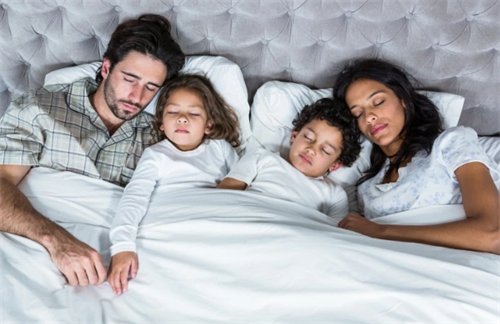
Sleep Secrets from Around the World: What Different Cultures Can Teach Us
The way families around the world deal with sleep varies greatly.Some cultures embrace co-sleeping as a sign of warmth and connection, while others value independence from an early age.